
Indian Handicrafts and Local Artisans How Ringal Artisans Haven Supports Traditional Craftsmanship
A handmade basket, a carved wooden tray, a block-printed dupatta, or a brass diya carries more than beauty. It carries time, skill, local memory, and the touch of the person who made it. Indian handicrafts are not factory-perfect products. They are living pieces of culture shaped by hands, tools, climate, community, and tradition.
For many customers, handicrafts are admired for their colours, textures, and uniqueness. Yet the deeper value often stays hidden. Behind every piece is an artisan who has learned a craft through practice, family knowledge, and years of patient work. When customers understand this, they do not just buy a product. They support a way of life.
Ringal Artisans Haven exists to bring that connection closer. By supporting local artisans and traditional craftsmanship, it helps customers discover the real stories behind handmade Indian products while giving craftspeople a more respectful place in the market.

Indian handicrafts hold culture in everyday objects
India’s craft traditions are deeply connected to place. A craft made in the Himalayas may use bamboo, wool, wood, or natural fibres suited to the mountains. A craft made in Rajasthan may reflect desert colours, mirror work, pottery, and metal forms. Coastal regions bring shell work, coir, cane, and natural dyes. Forest and rural communities create objects from materials available around them.
This is why Indian handicrafts feel so diverse. They are shaped by:
Local materials found in a region
Skills passed from elder artisans to younger makers
Rituals, festivals, and daily household needs
Climate, geography, and community lifestyle
Traditional tools and hand processes
A handcrafted object is never only decorative. A handwoven basket may be used for storage, harvest, gifting, or home styling. A clay diya may be part of prayer, celebration, or seasonal décor. A textile may carry motifs linked to nature, folklore, or local identity.
When these crafts come into modern homes, they bring warmth that mass-produced items rarely offer. They feel human because they are human.
The artisan is at the centre of every craft
The word “handmade” can sound simple, but the process behind it is often complex. A local artisan may spend years learning how to prepare raw material, understand texture, control pressure, shape forms, and finish a product neatly.
Take bamboo or ringal craft as an example. Ringal, a type of mountain bamboo used in parts of North India, must be cut, cleaned, split, softened, and woven with care. The artisan needs to know which strips will bend, which will hold weight, and how the final form will stay strong. Too much pressure can break the strip. Too little pressure can make the weave loose.
The same level of skill appears across Indian crafts.
A potter understands the moisture of clay before shaping it. A block printer knows how much colour the fabric can hold. A woodcarver reads the grain before cutting. A weaver counts threads with quiet precision. These are not random acts of making. They are trained movements built through repetition.
Every small difference is part of the handmade character. Slight variations in colour, weave, curve, or finish show that a real person made the piece. These details should not be seen as flaws. They are signs of authenticity.
Why traditional craftsmanship needs customer awareness
Many artisan communities face a difficult challenge. Their crafts are admired, but the labour behind them is often undervalued. Factory-made products can copy handmade designs at lower prices. Machine production can create uniform pieces quickly. Online markets can make customers compare only by cost, not by skill.
This creates pressure on local artisans. If buyers do not understand the difference between handmade and mass-produced goods, artisans may struggle to earn fairly from their work.
Customer awareness can change this. When people learn what goes into a craft, they begin to value it differently. They understand why a handmade item may cost more than a machine-made copy. They treat the product with more care. They ask better questions before buying.
A thoughtful customer may ask:
Who made this product?
What material has been used?
Is it handmade or machine-finished?
Does the purchase support local artisans?
How should this item be used and cared for?
Are small variations expected in the piece?
These questions help create a more honest craft market. They also encourage sellers to be transparent and respectful towards artisans.
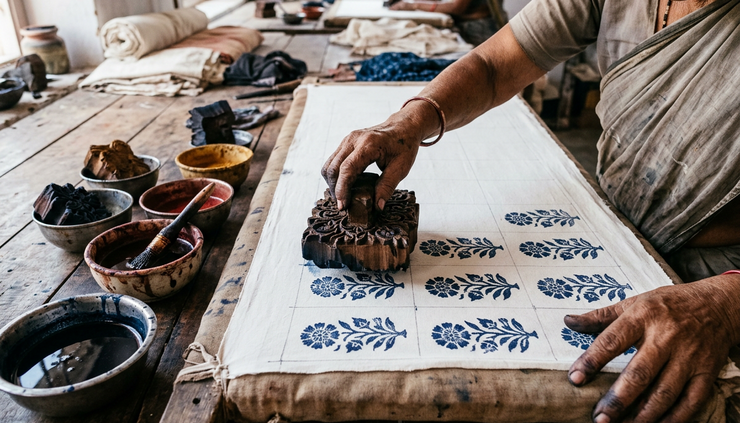
What makes handmade Indian products special
Handicrafts are valued for beauty, but their deeper strength lies in how they are made. A handmade item has qualities that cannot be fully copied by a machine.
They carry the maker’s touch
Each handcrafted product passes through the artisan’s hands many times. Cutting, shaping, weaving, polishing, drying, painting, stitching, or finishing all involve direct attention. This gives the object a sense of life.
They support local materials and skills
Many crafts use region-based materials such as bamboo, cane, clay, cotton, wool, wood, metal, stone, jute, grass, and natural dyes. When these materials are used responsibly, craft traditions can support local economies and reduce dependence on distant factory supply chains.
They are made in smaller batches
Handmade products are not produced in endless identical quantities. Small-batch making allows more attention to each piece. It also means customers receive something less common and more personal.
They keep traditional knowledge alive
Craft knowledge is fragile. If artisans stop practising because they cannot earn enough, the skill may fade within one or two generations. Buying authentic handmade products helps keep this knowledge useful and respected.
They create a warmer home
Handcrafted décor and utility products add texture to a space. A woven basket, handmade lamp, carved bowl, or hand-painted wall plate introduces natural imperfections that make a home feel lived-in and welcoming.
How Ringal Artisans Haven supports local artisans
Ringal Artisans Haven supports traditional craftsmanship by creating a bridge between artisan communities and customers who value handmade work. The goal is not only to sell products, but to build respect for the people and processes behind them.
It gives artisans a fairer platform
Many local artisans are skilled makers but may not have direct access to wider markets. They may depend on middle channels that reduce their earnings or limit their visibility. Ringal Artisans Haven helps bring artisan-made products closer to customers across India, giving traditional crafts a stronger place in modern homes.
This kind of support matters because visibility affects value. When customers learn who made a product and how it was made, the artisan is no longer invisible.
It highlights handmade processes
A craft product becomes more meaningful when its process is explained. Ringal Artisans Haven helps customers understand the effort behind each item, from raw material preparation to finishing. This education builds appreciation and reduces the habit of judging handmade goods only by price.
For example, a woven ringal basket is not just “a basket”. It is the result of selecting bamboo, splitting strips, preparing the weave, shaping the structure, strengthening the edges, and finishing the piece for use.
It respects traditional skills
Craft traditions need respect, not pity. Local artisans are not just labourers. They are skilled creators, problem-solvers, designers, and cultural knowledge holders. Ringal Artisans Haven recognises this by placing craftsmanship at the centre of its work.
The product is important, but the maker is equally important.

It encourages conscious buying
Customers often want to make better choices but need clear information. Ringal Artisans Haven helps buyers choose thoughtfully by presenting products as handmade pieces with a story, purpose, and care process.
Conscious buying does not mean buying more. It means buying with respect. A well-chosen handmade product can serve for years, hold emotional value, and support an artisan’s livelihood.
It helps preserve regional craft identity
Every region has its own craft language. When traditional designs are replaced only by fast-moving trends, local identity can become weaker. Ringal Artisans Haven supports craft continuity by valuing regional techniques and handmade forms.
This does not mean crafts must stay frozen in the past. Crafts can adapt to modern homes while keeping their roots. A traditional weave can become a modern storage basket. A handmade tray can suit a contemporary dining space. A wall hanging can carry old patterns in a fresh format.
The key is balance. New designs should respect old knowledge.
How to recognise authentic handmade crafts
A customer does not need to be an expert to choose better. A few simple signs can help identify authentic handmade products.
Look for natural variation. Handmade items often have small differences in shape, pattern, tone, or texture. These variations show handwork.
Check the material quality. Bamboo, clay, wood, textile, and metal should feel suited to the purpose of the product. A storage basket should feel firm. A textile should feel comfortable for its intended use. A clay object should be finished well enough for safe handling.
Notice the finish. Handmade does not mean careless. A good craft product should show attention in trimming, edges, joints, polish, stitching, or weaving.
Ask about the origin and process. Sellers who work closely with artisans should be able to explain what the product is made from and how it is crafted.
Respect the price. If a handmade product seems unusually cheap, someone in the chain may not be earning fairly, or the item may not be fully handmade. Fair pricing reflects time, skill, material, and effort.
Caring for handmade products keeps them beautiful for longer
Handcrafted items last longer when they are used with care. Since many Indian handicrafts use natural materials, simple maintenance makes a big difference.
For bamboo and ringal products:
Keep them away from long exposure to moisture
Wipe with a dry or slightly damp cloth
Let them dry fully if they get wet
Store in a clean, airy place
For clay products:
Handle them gently
Avoid sudden temperature changes unless the product is made for heat use
Clean with a soft cloth or mild wash, depending on the finish
For textiles:
Follow the wash instructions
Dry in shade when possible
Store folded in a dry place
Keep naturally dyed pieces away from harsh chemicals
For wood and metal crafts:
Dust regularly
Avoid harsh cleaners
Keep wood away from excess water
Dry metal items after cleaning to reduce stains or tarnish
Care is part of the relationship with handmade objects. The more gently they are treated, the more character they develop over time.

Why buying from artisan-focused platforms matters
Where a customer buys from matters as much as what they buy. Artisan-focused platforms help create a more respectful connection between makers and buyers. They can share product details, explain craft methods, and encourage fairer value for handmade work.
When customers choose platforms like Ringal Artisans Haven, they help support:
Local artisan livelihoods
Traditional skills and regional craft heritage
Handmade production over mass copying
Better awareness of Indian crafts
Sustainable and natural material use where possible
More meaningful home and gifting choices
This support reaches beyond a single purchase. It tells artisans that their skills still matter. It tells younger generations that traditional craft can have a future. It tells the market that handmade work deserves respect.
A handmade future needs both artisans and customers
Indian handicrafts will continue only when artisans can keep making and customers keep valuing. The relationship works both ways. Artisans bring skill, patience, and cultural knowledge. Customers bring appreciation, demand, and respect through their choices.
Ringal Artisans Haven plays a meaningful role in this connection by supporting local artisans, sharing the value of handmade products, and helping traditional craftsmanship find a place in modern living.
The next time a handmade basket, textile, tray, diya, or décor piece catches your eye, pause for a moment. Think about the hands that shaped it, the material it came from, and the tradition it carries. That small pause can turn a simple purchase into support for a living craft.


Comments